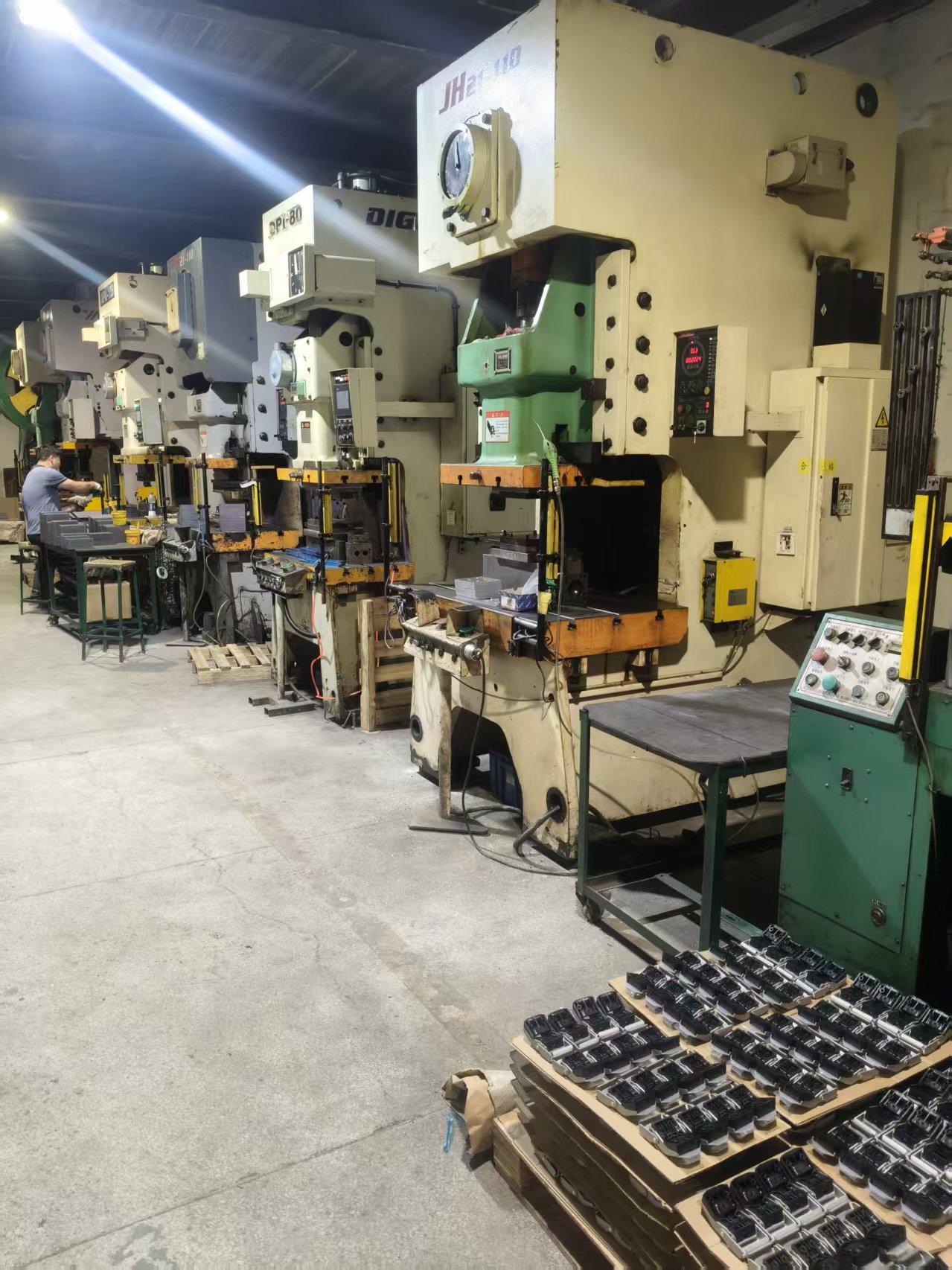
Stamping
High-speed precision metal stamping for high-volume production
200 tons
Max Press Force
±0.05 mm
Tolerance
0.1 – 6 mm
Sheet Thickness
5–10 days
Lead Time
Overview
Metal stamping is a high-speed forming process that uses progressive, transfer, or compound dies to punch, bend, and form sheet metal into finished parts. Our stamping lines handle production volumes from 1,000 to millions of parts per year.
We work with steel, aluminum, copper, and zinc sheet from 0.1 mm to 6 mm thickness. Our in-house tooling design team optimizes each die for maximum material utilization and consistent quality.
Product Gallery
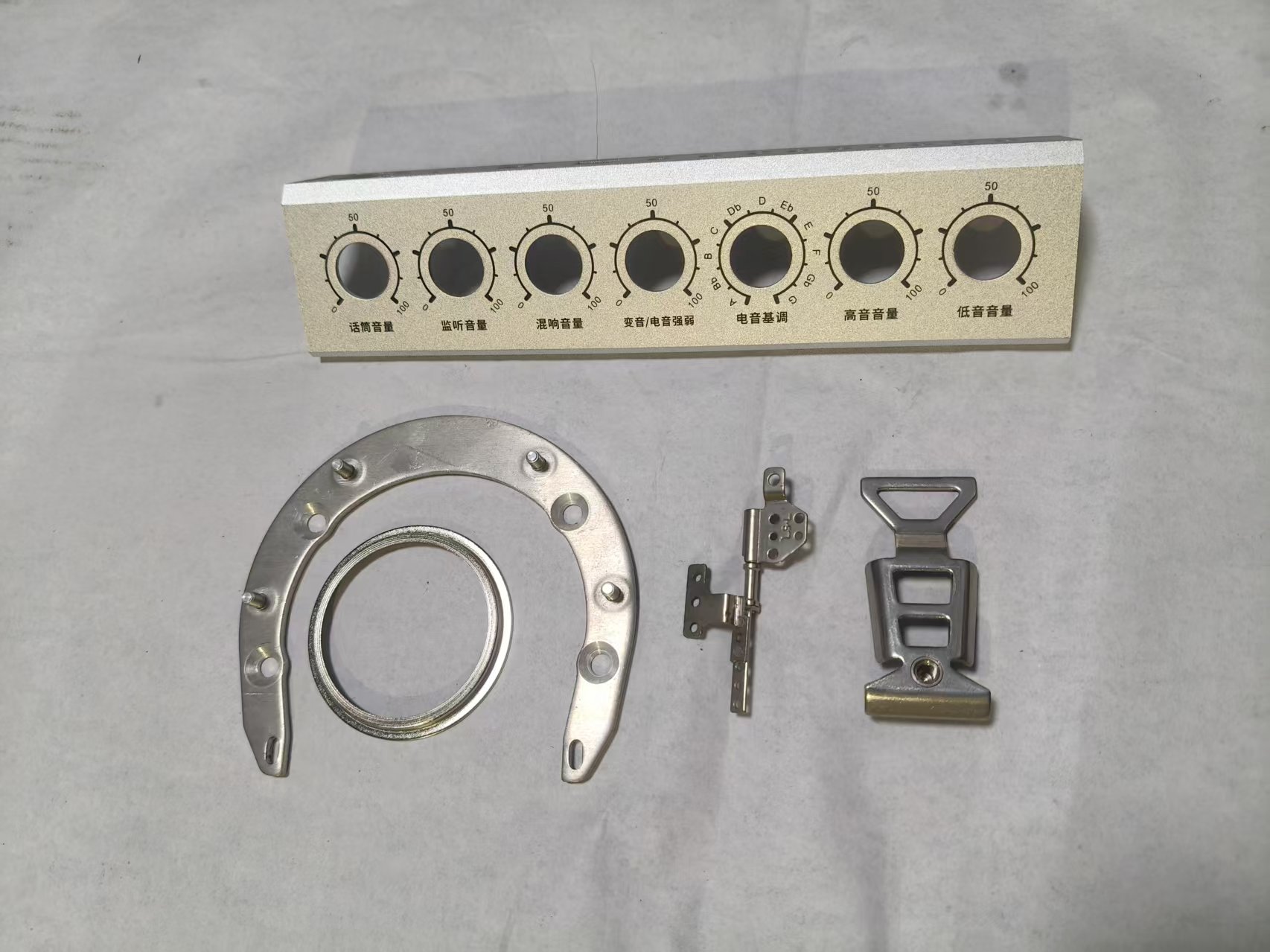
Precision stamped components across stainless steel, aluminum, and various enclosures. Click any image to enlarge.
Equipment & Workshop
Modern stamping press lines and in-house tooling fabrication.
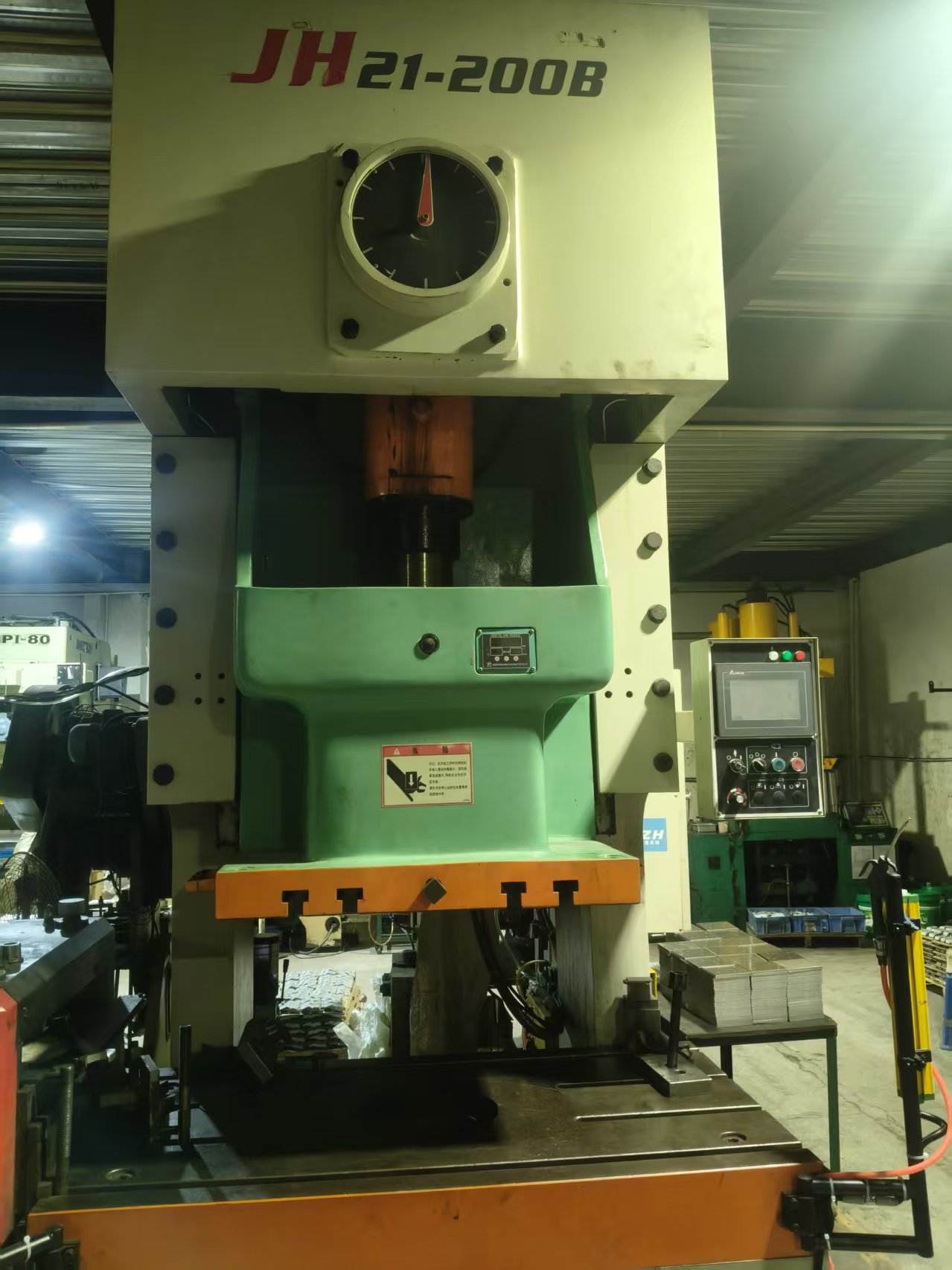
Precision Stamping Presses
Up to 200-ton capacity with progressive, transfer, and compound die capability. High-speed lines for volumes from 1,000 to millions per year.
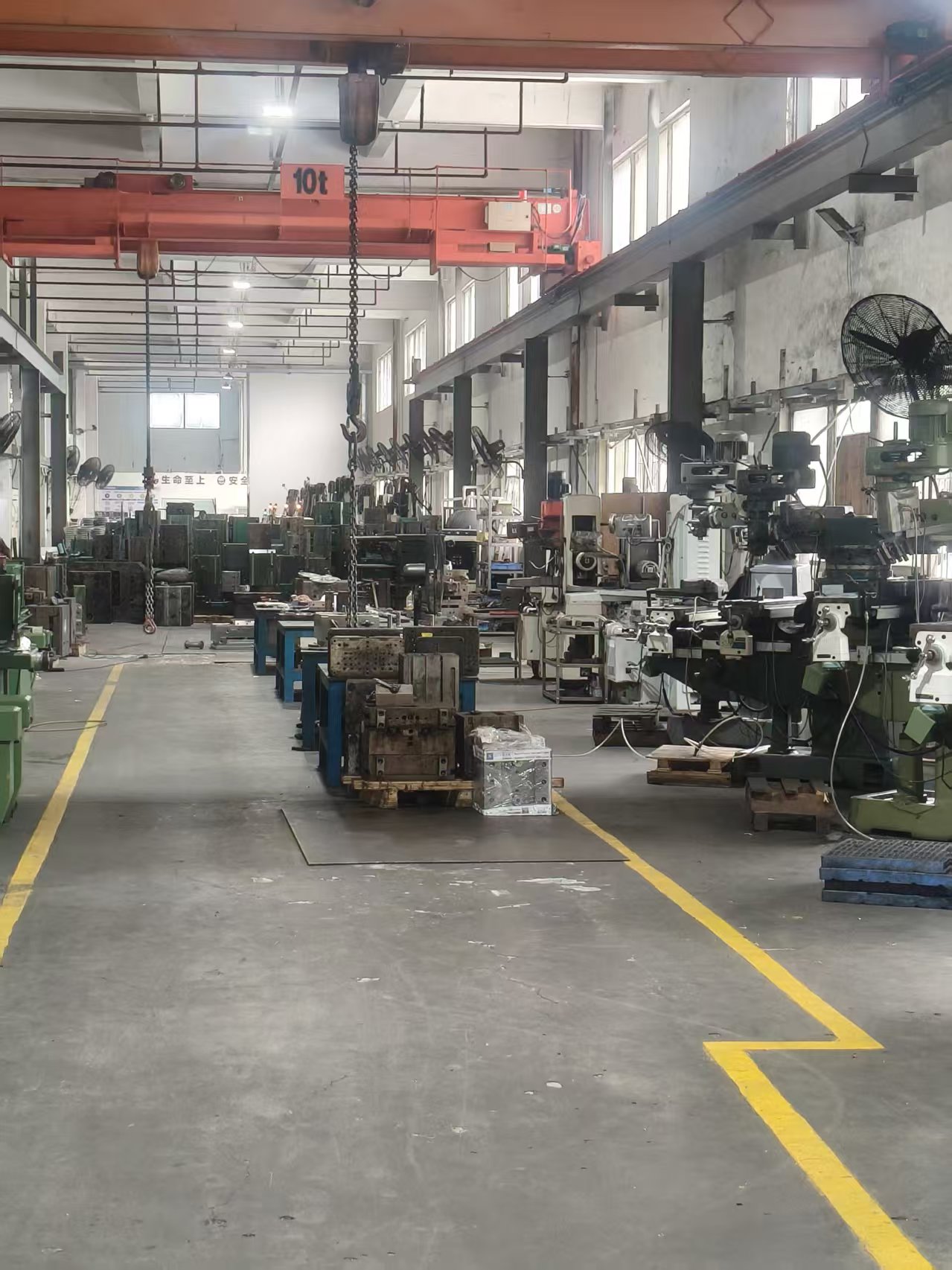
In-House Die Fabrication
Full turnkey tooling — from progressive die design to precision CNC machining and tryout. Dedicated tooling engineers optimize each die for durability and material yield.
Cold Heading
Cold heading (冷镦) is a high-speed cold forming process that shapes metal wire or rod at room temperature using progressive dies. It is the primary manufacturing method for rivets, screws, bolts, and other fasteners — components critical to sheet metal assembly and clinching (铆合) operations in our stamping workflow.
Process
Multi-station cold forming at room temperature
Materials
Stainless steel, copper, brass, pure copper, alloy steel
Output
Solid, semi-tubular, and tubular rivets from ∅1 to ∅12 mm
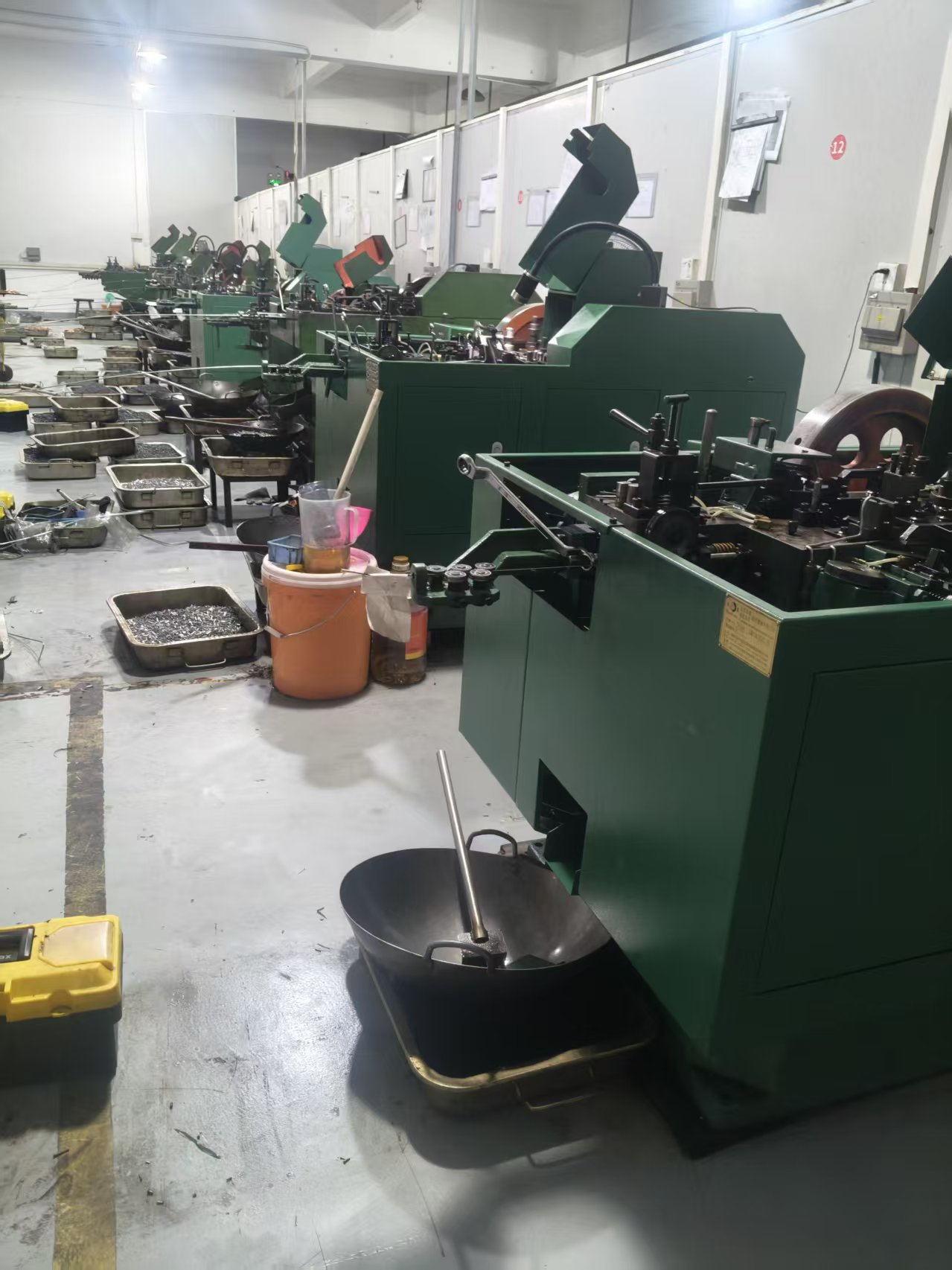
Rivet & Fastener Products
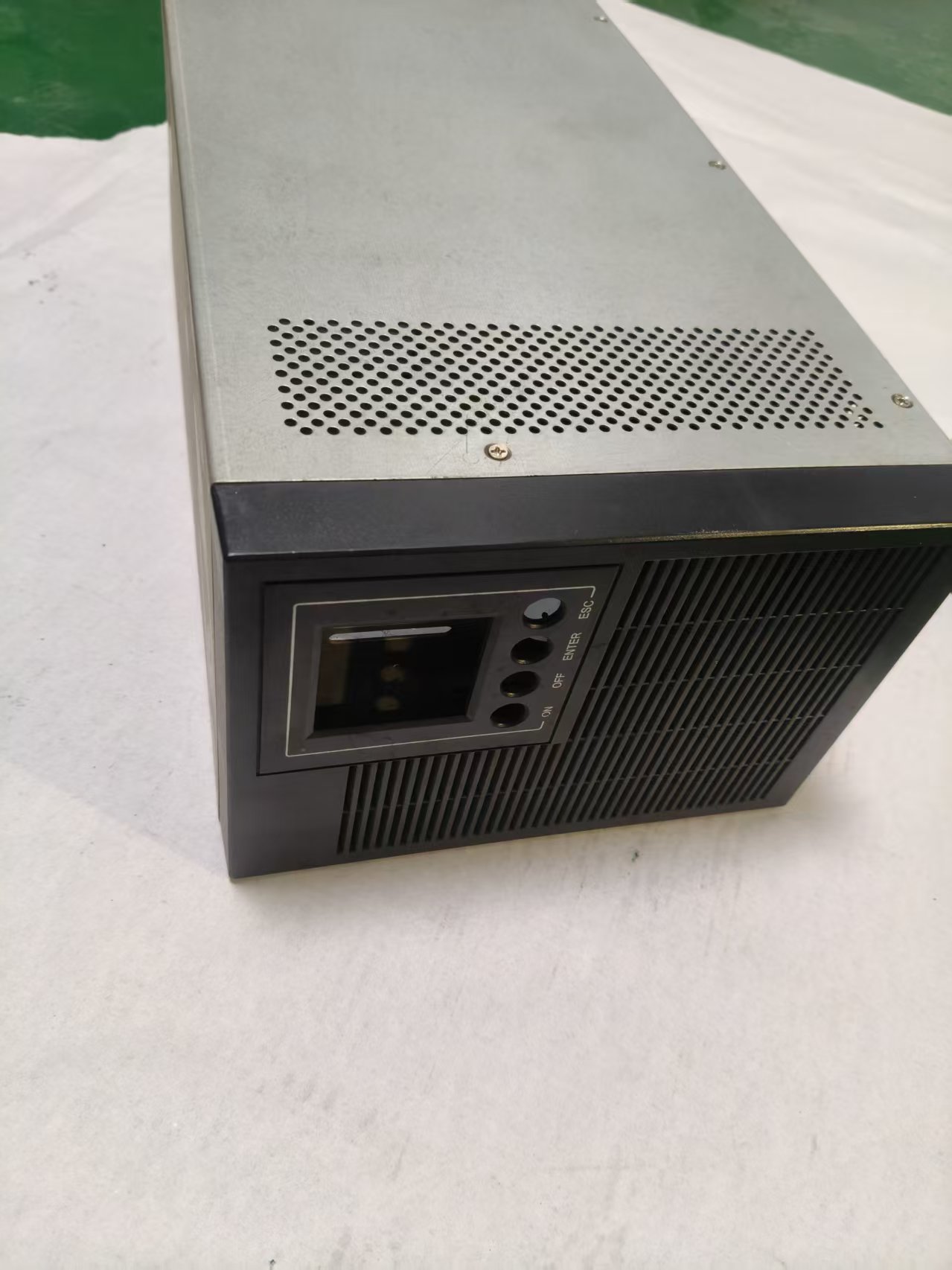
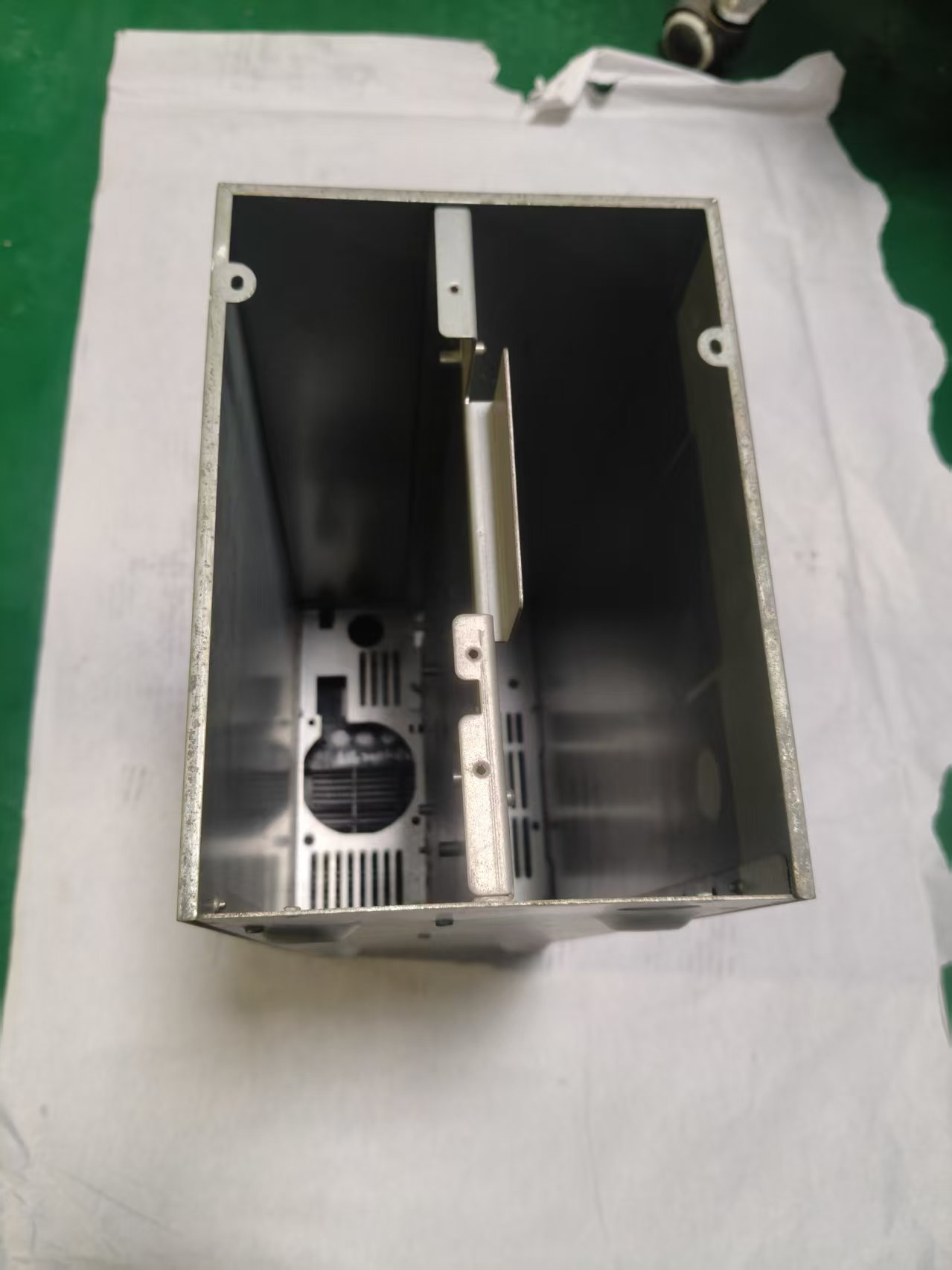
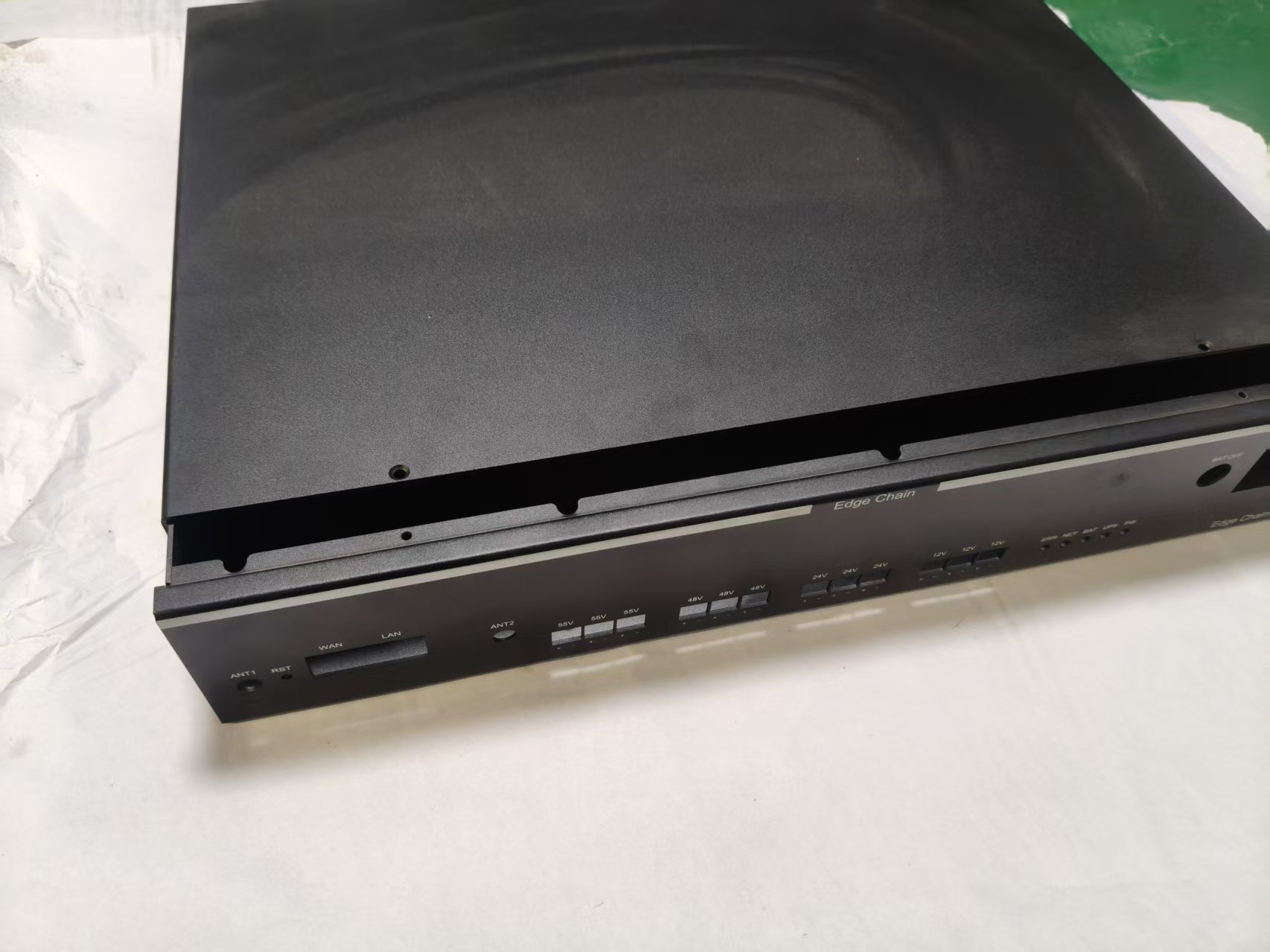
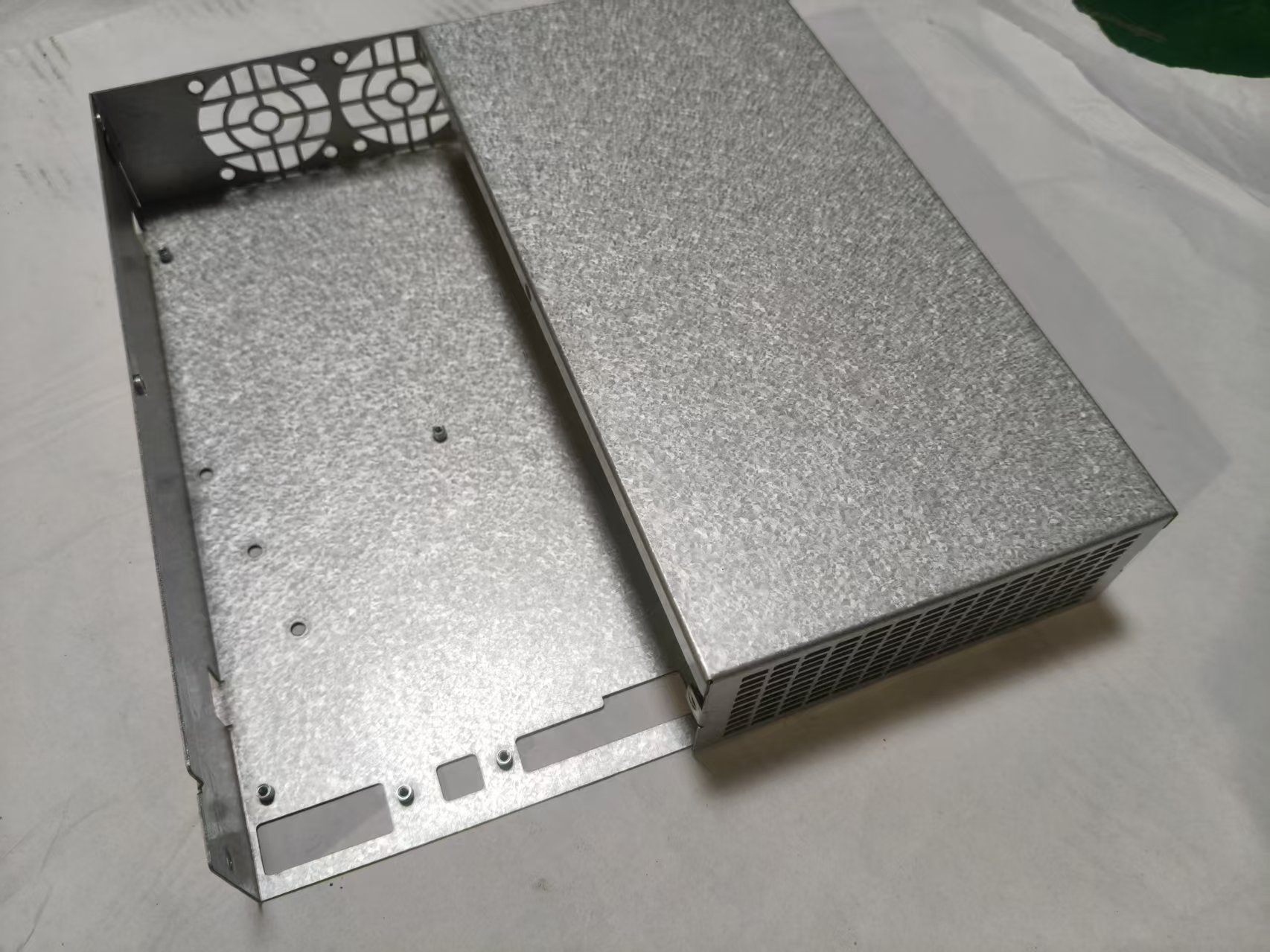
Before & After Surface Treatment
See the transformation from raw stamped metal to finished, coated product. Drag the slider to compare.
Chassis Shell — Powder Coating
Sheet Metal Box — Surface Finishing
Capabilities
Supported Materials
Surface Finishes
Our Clients